
Bring Back the Short Table
And why I'm totally over the long table dinner trend

I used to be the easiest possible target for a long-table farm dinner.
Tell me there would be a field, a seasonal menu, a fun bottle of wine and a promise that we would all be more connected to the land and each other when we parted ways, and I would have said “take all my money.”
On paper, I still love the idea.
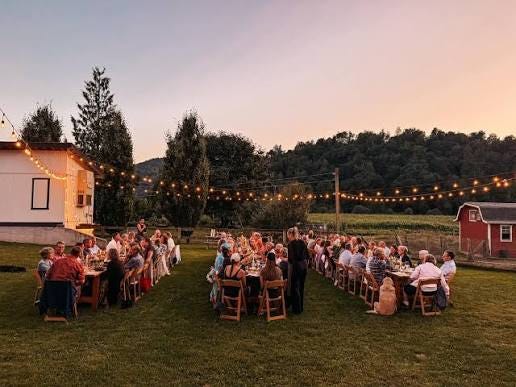
A meal outside is never a bad idea, nor is food sourced locally. I vehemently reject a QR code wherever I go, and thoroughly enjoy the casualness of a spacious, collective gathering instead of a cramped table in a stuffy restaurant with a waiter eager to turn the table to another diner.
We undeniably benefit from places where humans can sit down together and remember how to enjoy eating again, slowly and in connection.
I also believe in farm hospitality, in people growing things, in the power of food to teach us about weather, labor, region and the art of patience.
I still feel strongly that most of us would become less insufferable and more tolerant if we spent more time talking to people who work with the seasons, the land, animals, instead of people who spend their days talking to robots and optimizing funnels.
This is not an anti-farm essay.
This is, however, an anti pretending-the-long-table-dinner-on-the-farm-is-actually-doing-something essay.
Somewhere along the way the long table dinner became less about gathering and more about being seen gathering.
Blame Instagram or our society’s obsession with aesthetic content, but these events have now become about everything but slowness and community.
You know the exact scene I’m describing: golden hour, neutral linens, wildflowers that are meant to appear effortless despite costing someone’s inheritance.
Hundreds of people sitting in off-white, perfectly curated outfits with tassels, cowboy boots, and one guy vaguely rambling about how he affords his lifestyle via his inherited lavender wealth.
Again, it isn’t the aesthetic itself that makes me itch.
I freaking love a warmly lit, minimalist, beautiful vibe. Many of life’s most special moments involved some type of beautiful scenery to amplify its emotional significance and memory.
Beauty and aesthetic do, of course, matter. But when it gets taken too far - when it starts replacing the thing it was meant to serve - is when we get ourselves into trouble.
Long table dinners were supposed to connect us to the land, the season, the people growing our food, and the strangers sitting across from us.
Too often now, it ends up looking like connection, but feels wildly empty.
Actual connection, as we know, often happens in a less predictable and less aesthetic way. Some of my closest friendships have formed on airplane rides or in tiny rooms when they opened up about their health problems, work woes, or recent divorce.
Just last week in fact, I made a new friendship with strong roots via hushed conversation on a factory tour in a poorly lit warehouse.
Part of what disappoints me about the whole thing is that I was genuinely excited about agritourism taking off in the U.S.
In Europe, agritourism has been a thing for decades. It feels much more like a natural extension of rural life than an aesthetic retreat to be consumed.
Italy has agriturismi, farm stays and restaurants where visitors eat and sleep on working farms. There are strade del vino and strade dei sapori, wine and food roads which move you through different regions by way of vineyards, olive mills, dairies.
In Slovenia, you see turisticne kmetije or tourist farms, and vinske ceste or wine roads, which connect you to small producers, cellars, and countryside hospitality.
There are osmizas around Trieste, Friuli and western Slovenia, where farms open for a limited number of days to sell their own wine, cured meats, eggs. The tradition is often traced back to the Habsburg era, when farmers were allowed to sell surplus directly for a short period.
In the modern day, the original spirit remains along these routes: a hand painted sign, branch, farmhouse mark the entryway and simple tables, house wine, and homemade food are served with little to no fuss.
It’s more of a feeling (note I said feeling, not aesthetic) of “swing by, sit down, taste something, walk away with a bit of learning and a full belly.”
These families have been hosting visitors in this way long before Instagram made it a thing. It’s just a way of life.
This is the version I love. Not because I think Europe is better (although…..), but because it highlights again how much America loves to take everything great and turn it into a commodity, completely extracting the spirit of the thing we started with.
The best version of agritourism feels attached to a real, local ecosystem. The farm isn’t curated as a backdrop and the farmhands aren’t dressed in Doen and Christy Dawn.
I felt this so clearly when my partner and I attended the 2nd annual VNDIMA natural wine festival in Slovenia on a whim during our travels last year.
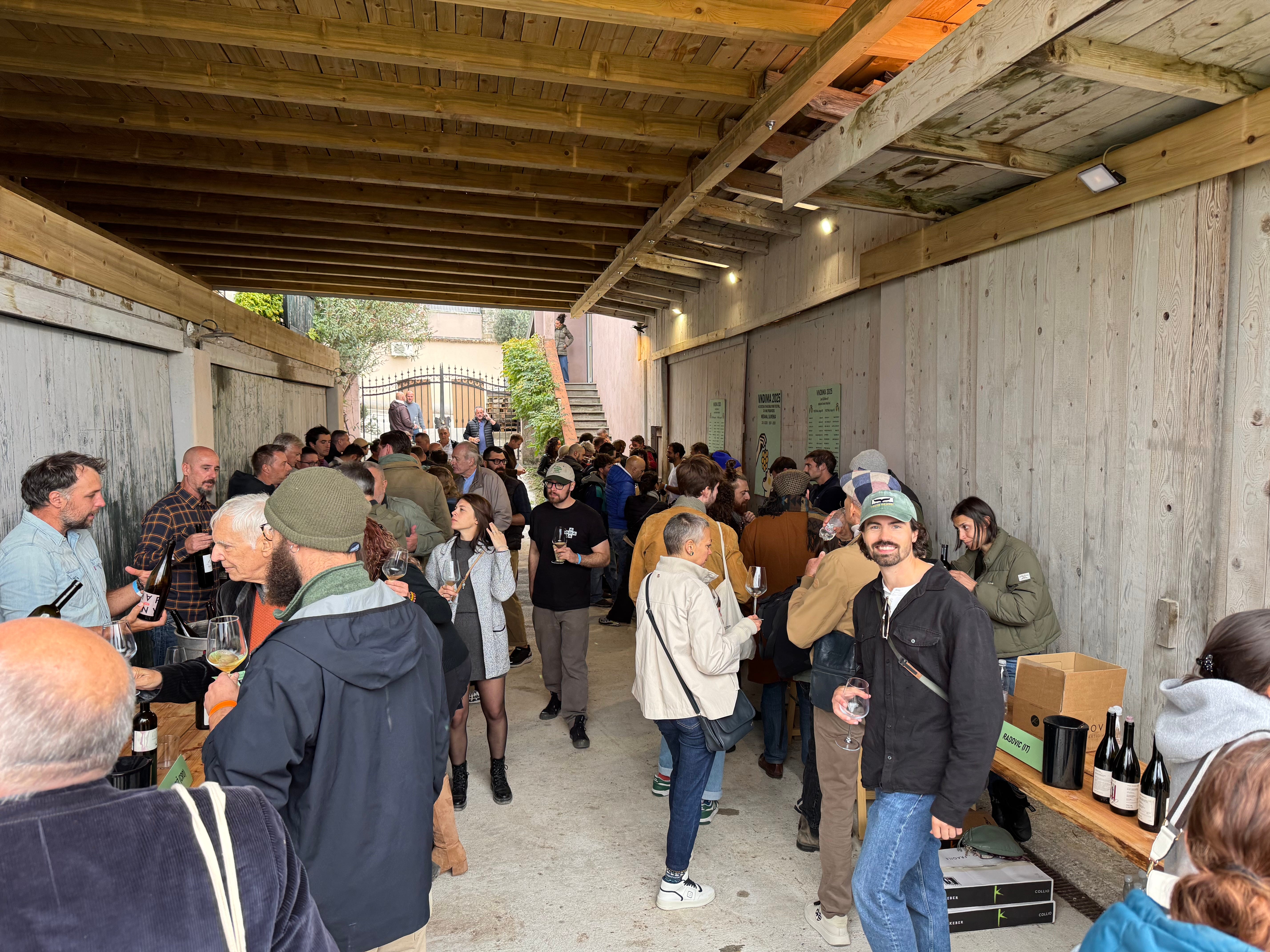
There was absolutely nothing curated about it, yet it’s a world renowned festival bringing together 100’s of the very best winemakers like Radikon, Gravner, Werlitsch, all in one place.
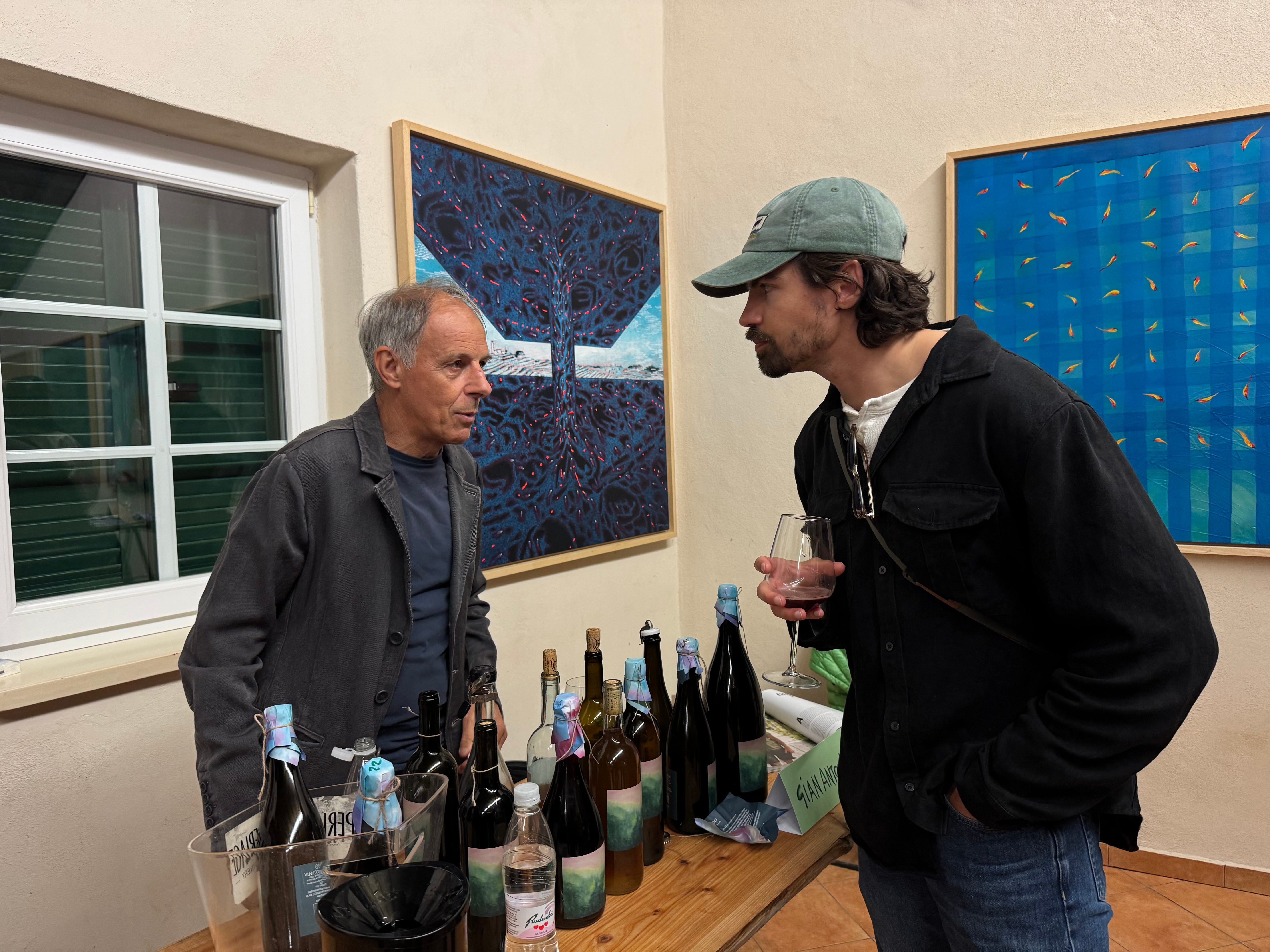
For an entire afternoon, we all meandered between just a few humble rooms overlooking a rainy vineyard at Klinec Medana, each winemaker standing behind a basic table with a label announcing the name of the winery.
No one asked us to adhere to a dress code or make any big declarations about impact.
It was understated simplicity: winemakers pouring bottles, talking for hours, explaining the year, the climate, the difficulties, the grapes, the slope, the weather, the heartbreak, the choices they made to bring it all together.
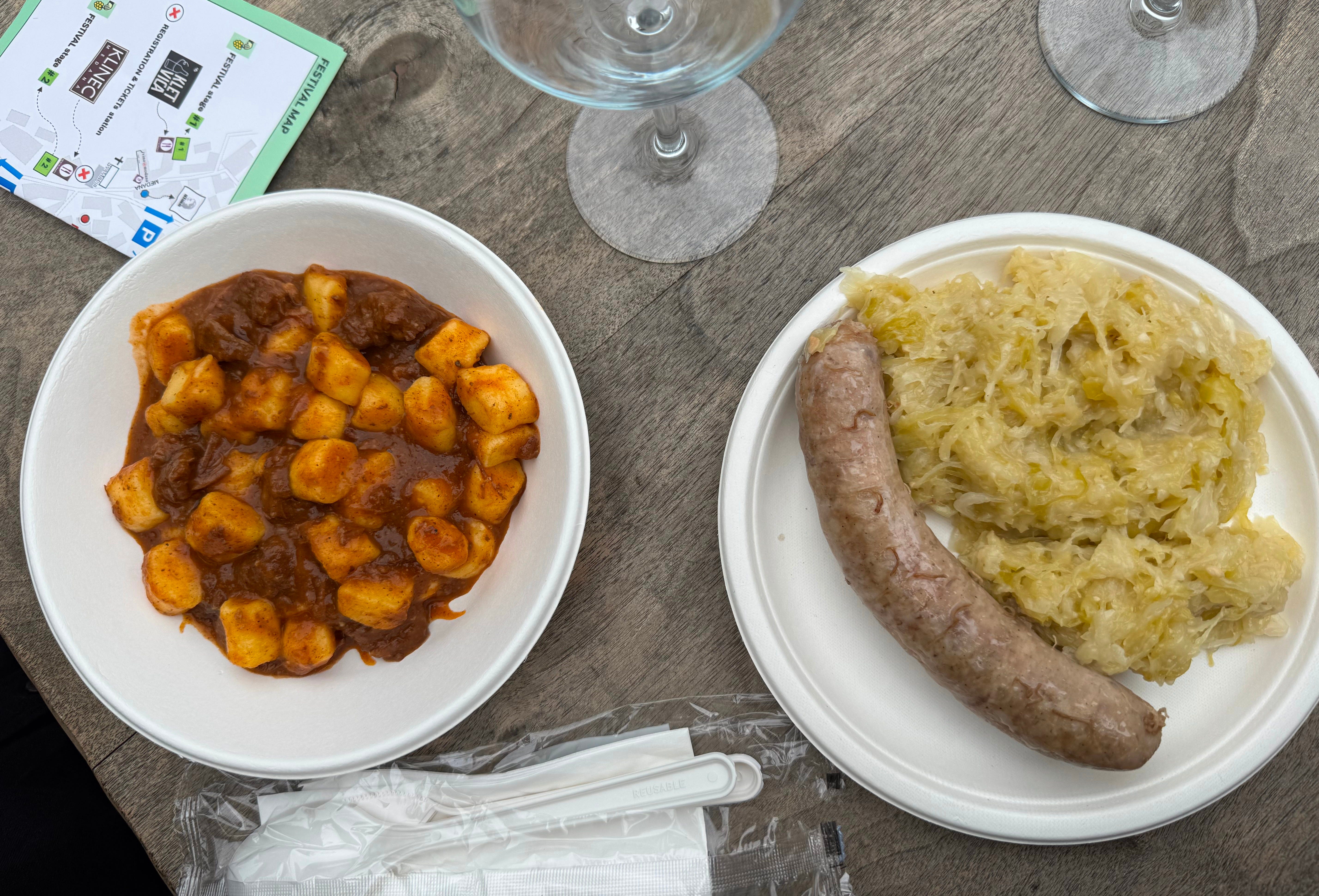
There was no long candlelit vibey table meant for a big punctuated photoshoot. Instead, we found hearty stew, homemade sausages and kimchi grilled cheese. If I’m being honest, this is probably the one meal from last year that we haven’t been able to stop reminiscing about.
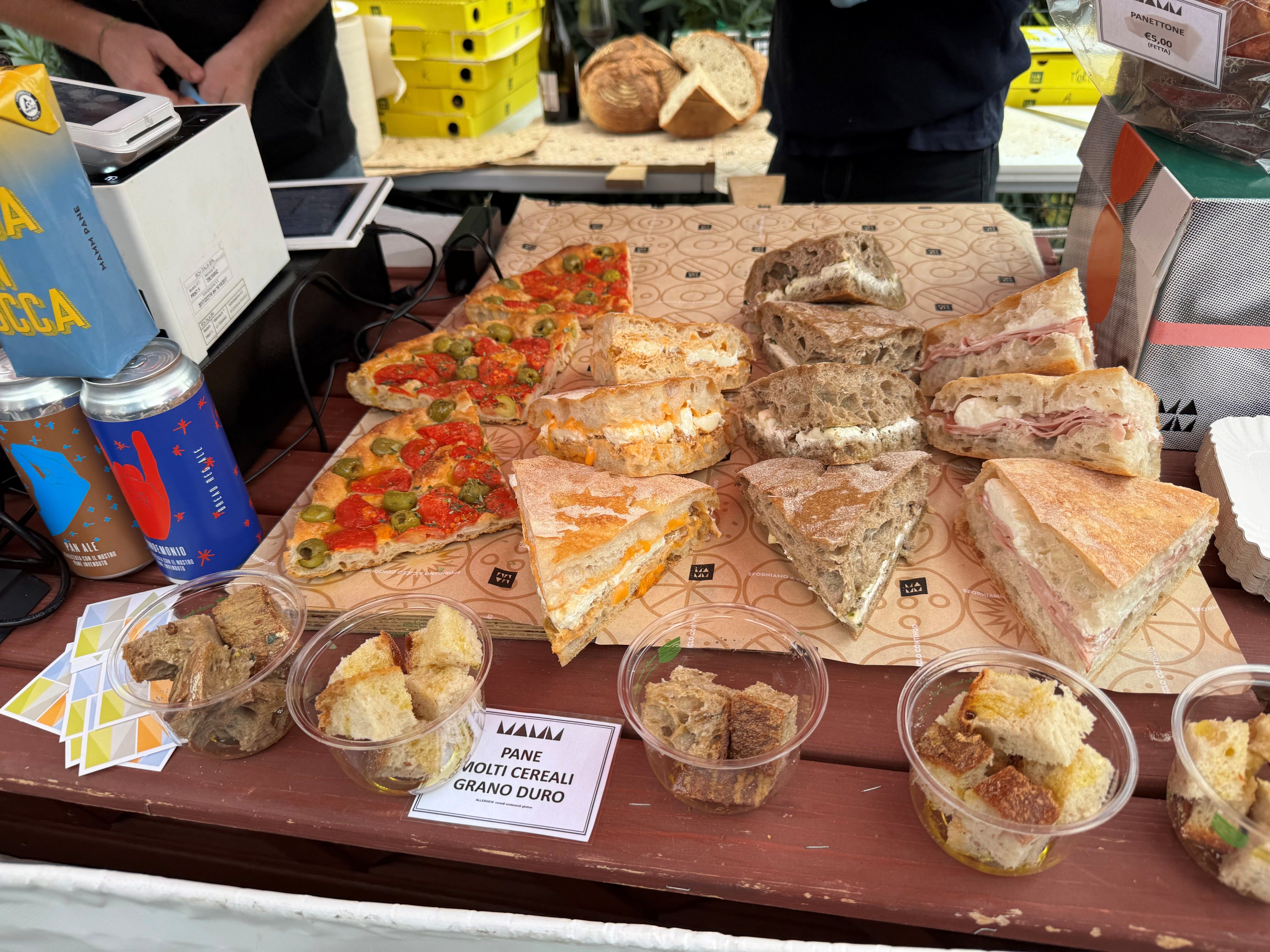
This one afternoon honestly did more for my faith in humanity than half of the “networking” and “immersive dining” events I’ve attended the last decade. It felt alive.
But more importantly: nobody had to tell me I was having an experience. I was just having one.
I was sitting with people who made wine, looking out at the land who shaped it, and actually learning - in a very human way.
I felt connected to my heart, not my brain. And I think that’s the whole point: being in a place that gives you true access to yourself, to others, to a place - not access to an aesthetic image of yourself in a place.
Our version in America always seem to start with the right idea but then gets wildly sidetracked by commercialization and status (Why do we do that with seemingly everything? Hmmph!)
Wellness becomes *luxury wellness*. Simplicity becomes an unobtainably expensive marble aesthetic. Slowness becomes a *$5,000 weekend retreat*. I’m so tired of it.
We keep selling people the aesthetic of what they actually need, without giving them any of the fulfillment of the real thing.
We say we need nature and then are sold nature with a ticket and a check-in table.
We say we need belonging and then are pitched a high-priced club membership, promising access to new friends.
We say we need meaning and then are sold something that looks meaningful - but only on paper.
I’m not denying that these long table dinners genuinely support farms.
Most are run by thoughtful people with the right intentions, and hospitality is certainly a way that struggling farms have diversified to help make ends meet. I don’t want to hate on the entire premise of the idea (and I still want to be invited places).
But if we are using words like “community” and “land” and “connection to the basics”, we need to be honest about who can participate.
A lot of these events are prohibitively expensive, even for the corporate baddies. They attract people with disposable income, flexible weekends, seemingly unlimited cashflow to purchase clothing to also match the aesthetic.
If a farm dinner is completely inaccessible to the actual people working on the farms, local families, and people who struggle to afford groceries, then maybe what we have built is not so much community but another gated community but with maple carrots and heirloom tomatoes.
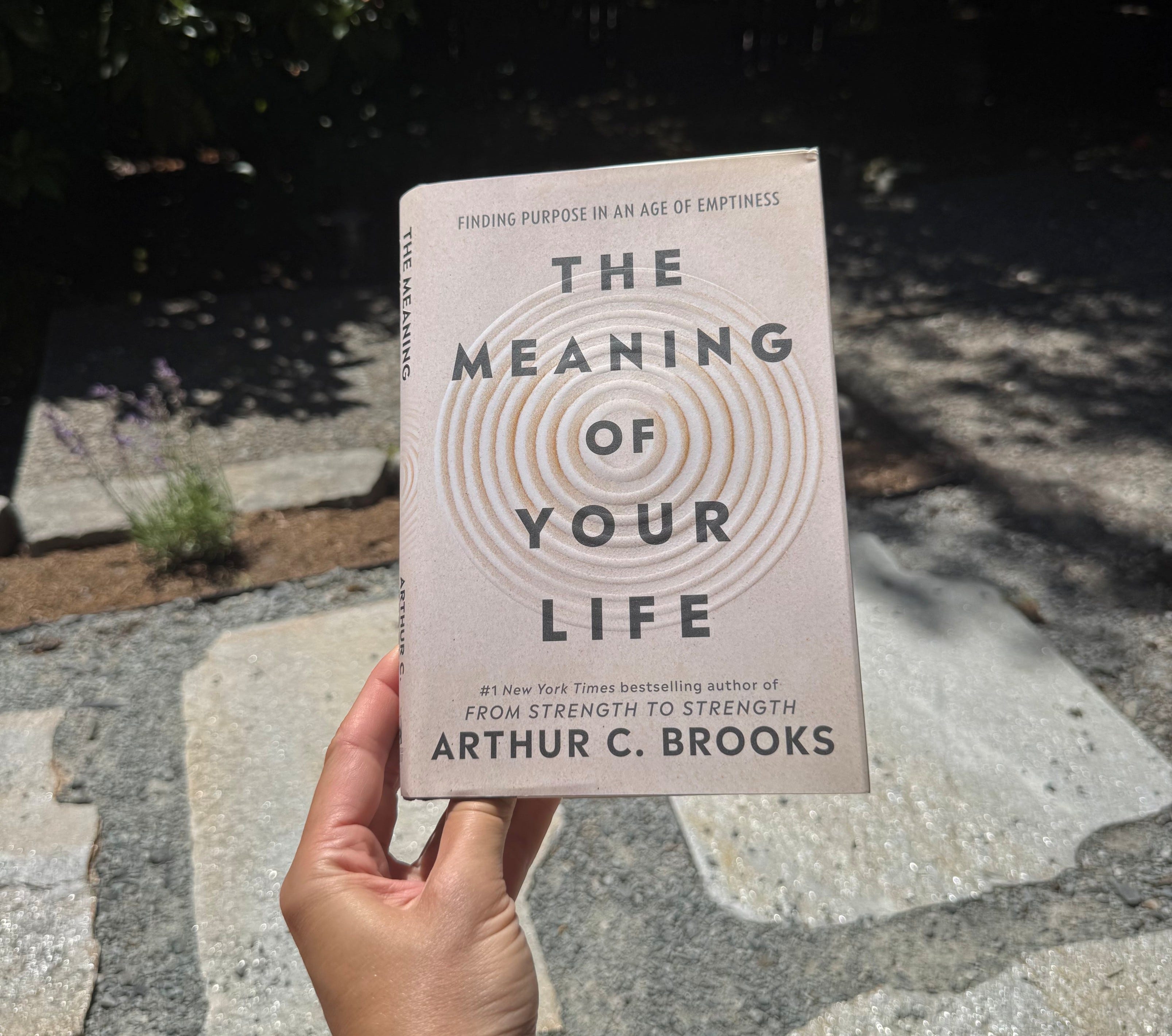
I’m currently reading “The Meaning of Your Life” by Arthur Brooks, a Harvard professor / social scientist and one of the world’s leading authorities on human happiness.
In his book, he carefully distinguishes between pleasure and enjoyment. He talks about how pleasure itself is a sensory hit: a pretty aesthetic or the feeling of being somewhere meaningful.
Enjoyment, on the other hand, goes much, much deeper.
It involves memory, relationship, participation, and the feeling that you as a living sentient human are actually integrated into the experience itself - not just passing through.
He also writes about meaning as something built through purpose and significance; or more specifically by being personally engaged in a lifelong relationship with the question “why”.
Does this connect to something larger than myself? Does it matter? Why?
I guess this is where these dinners fall short for me. Sure, they provide a tablescape, but they actually perpetuate emptiness.
We need context, consideration, and an entry point to integrate these experiences into a larger conversation with ourselves about the meaning and intention of our lives.
I would be remiss if I didn’t also address the table itself in this conversation.
I think and talk a lot about the environments and circumstances we arrange for ourselves, which do a lot of the heavy lifting for the lives we end up leading - for better or for worse.
Much the same way that our habits, our homes, our routines, the air we breathe dictate how we live - so does the type of atmosphere we host and attend gatherings.
The shape of a table, actually, is not as neutral as it might appear. It quite literally is an instruction to gatherers about how to behave.
A long table from the vantage point of Instagram might look communal in the sense that it gathers a group of people closely together in a larger field of view. Socially though, let’s be realistic: it can actually be a bit of a mess.
You can talk to the person on your left, the person on your right, and maybe the person directly across from you if the bulging wildflower centerpiece isn’t preventative. Everyone else at the table pretty much may as well be in another country.
On paper, you are all together. Functionally, you’re in a nightmare scenario that sometimes borders on an escape room.
Being physically trapped in one conversation pod, you better hope you didn’t draw the short straw and get placed next to the functioning alcoholic or chatty startup founder.
That is not community at all. It’s forced adjacency.
In one of the schools I went to as a kid, I remember them embracing something called the Harkness Method.
The Harkness method began at Phillips Exeter Academy in the late 1930’s after philanthropist Edward Harkness gave the school a gift which was intended to change the way students learned. Instead of singular rows and desks facing the teacher, students sat around an oval table.
The premise of this was clear: a small group, everyone facing everyone, created an equal playing field, with no obvious “head of the table” or throne for anyone - even the teacher - to sit upon.
The teacher was present as the lead, but wasn’t the sole gravitational force.
The Harkness method encouraged shared inquiry. Students were meant to listen, question, disagree, build on each other’s ideas. This method served as the foundation and philosophy for how to build a life.
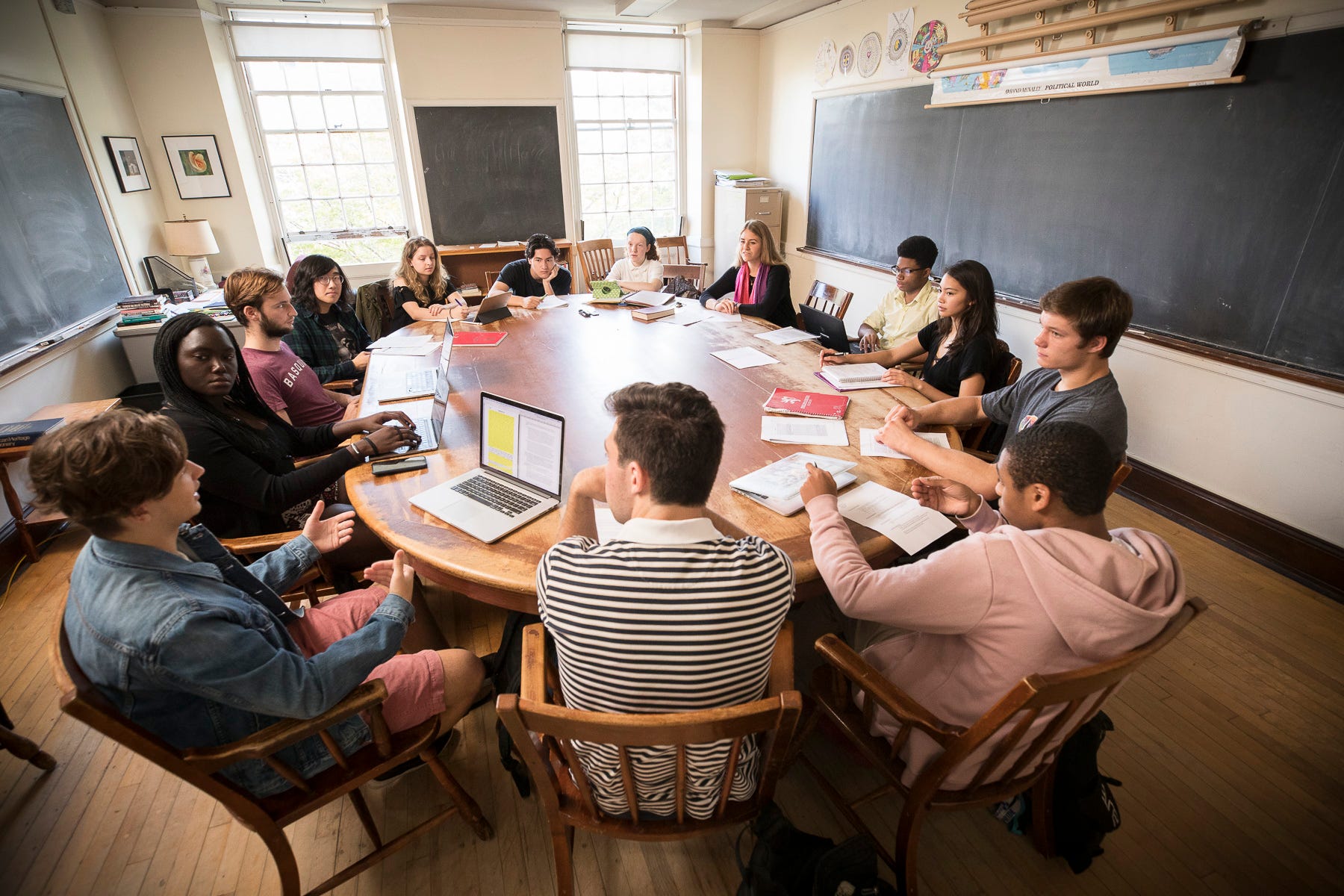
The oval table wasn’t some decorative centerpiece, much as it was a functional tool meant to serve a purpose, not become it.
It created room for everyone to feel seen, and encouraged everyone to participate in conversation.
This is how I think of hospitality, too.
It should serve as the vehicle for people to meet, creating the conditions for doing so.
If the point is community, make a place accessible to community. If the point is hospitality, make people comfortable before you try to impress them.
Use round tables, ovals, clusters of six or eight. Let people move at will. Leave room for conversation about the good, the bad, the ugly. Encourage the farmer to share the highs, the lows, the business, and the personal. Stuff that doesn’t fit into Pinterest or make people feel uncomfortable with *checks notes* actual reality.
I think a lot about tables and places in this way.
The table is one of the oldest social technologies we have… the table is where families fight, strangers become friends, we nourish our bodies through anniversaries, divorces, immense grief. It’s where children learn how adults talk, ideas get passed around, and people form life long connections.
Function over form.
Enjoyment over pleasure.
I’m not advocating for uglier dinners - god forbid, I’m not trying to take away the candles, nor am I anti-wildflower. In fact, for anyone who knows me, I am *very much* an aesthetic loving girly. I just want all of it to feel more like true gathering, pretenses aside. And I want to be able to reach a second helping of potatoes.
Come sit, I saved you a chair.